
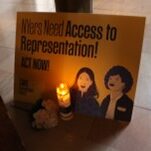
“A system designed to truly protect youth from exploitation and harm would afford children access to attorneys and safeguards to guarantee their claims are fully heard. Such a system would prioritize SIJS youth’s petitions for green cards and exempt them from the work visa-based backlog.”
The federal government’s campaign to target and deport immigrant youth has led to over 6,200 youth detained – a 900% increase – and over 3,600 youth deported. The government is using assorted tactics – from arbitrary arrests, fast-tracked deportation proceedings, and the promise of payouts – to pressure children to self-deport, even when return would endanger them.
Even vulnerable youth with Special Immigrant Juvenile Status visas – a protection Congress established for child survivors of parental abuse, abandonment or neglect – are not safe. Over 150,000 youth approved for SIJS are stuck in a years-long visa backlog, waiting to apply for their green cards of permanent status. Last year, the government ended Deferred Action for SIJS, a policy that shielded SIJS youth from deportation while they wait in the backlog. The government detained 265 SIJ approved youth after ending the policy and deported 132 of them back to the conditions they fled.
Brothers Elias and Brayan were deported on what would have been Brayan’s high school graduation day. After attending a routine ICE check-in, they were detained, leaving their car in the parking lot and their friends and Louisiana high school community devastated.
In New York, college student and SIJS visa holder Sara Lopez Garcia’s professor described the shock of Sara’s sudden deportation to Colombia: “Can you imagine? One week you’re getting all these awards. The next week, you’re ripped out of your home, in some kind of zip-tie nonsense, everybody crying.”
DHS claims that it is targeting youth who commit fraud and crimes. Yet a Congressional inquiry revealed that only one of the hundreds of SIJS youth taken by ICE had a criminal charge. In truth, the government is weaponizing systemic barriers like the visa backlog to deport youth faster. The government has also restricted judges’ discretion to set the pace of deportation proceedings and consider appeals of deportation orders.
Combined, these tactics – and the backlog itself – subvert Congress’s original intent of protecting at-risk youth from trafficking when it creating the SIJS visa program in 2008.
A system designed to truly protect youth from exploitation and harm would afford children access to attorneys and safeguards to guarantee their claims are fully heard. Such a system would prioritize SIJS youth’s petitions for green cards and exempt them from the work visa-based backlog.
Advocates have sued the government on behalf of Elias and other SIJS youth at risk of deportation. While attorneys filing habeas petitions have secured the release of several unlawfully detained youth, the majority of youth in detention lack access to attorneys to help free them. In June 2025, a federal district judge ordered the government to reinstate the Deferred Action policy, finding it was likely unlawfully terminated. Yet, the government recently announced its intent to terminate the policy again, effective May 10th, foreshadowing wave of detentions this summer.
While ICE shreds protections for SIJ youth, lawmakers must do more than watch. The Protect Vulnerable Immigrant Youth Act (PVIYA) in Congress would fix the backlog by appropriately recategorizing SIJS as a humanitarian visa, exempting beneficiaries from the employment-based caps.
Join the End SIJ Backlog Coalition in calling on Congress to pass the PVIYA.